


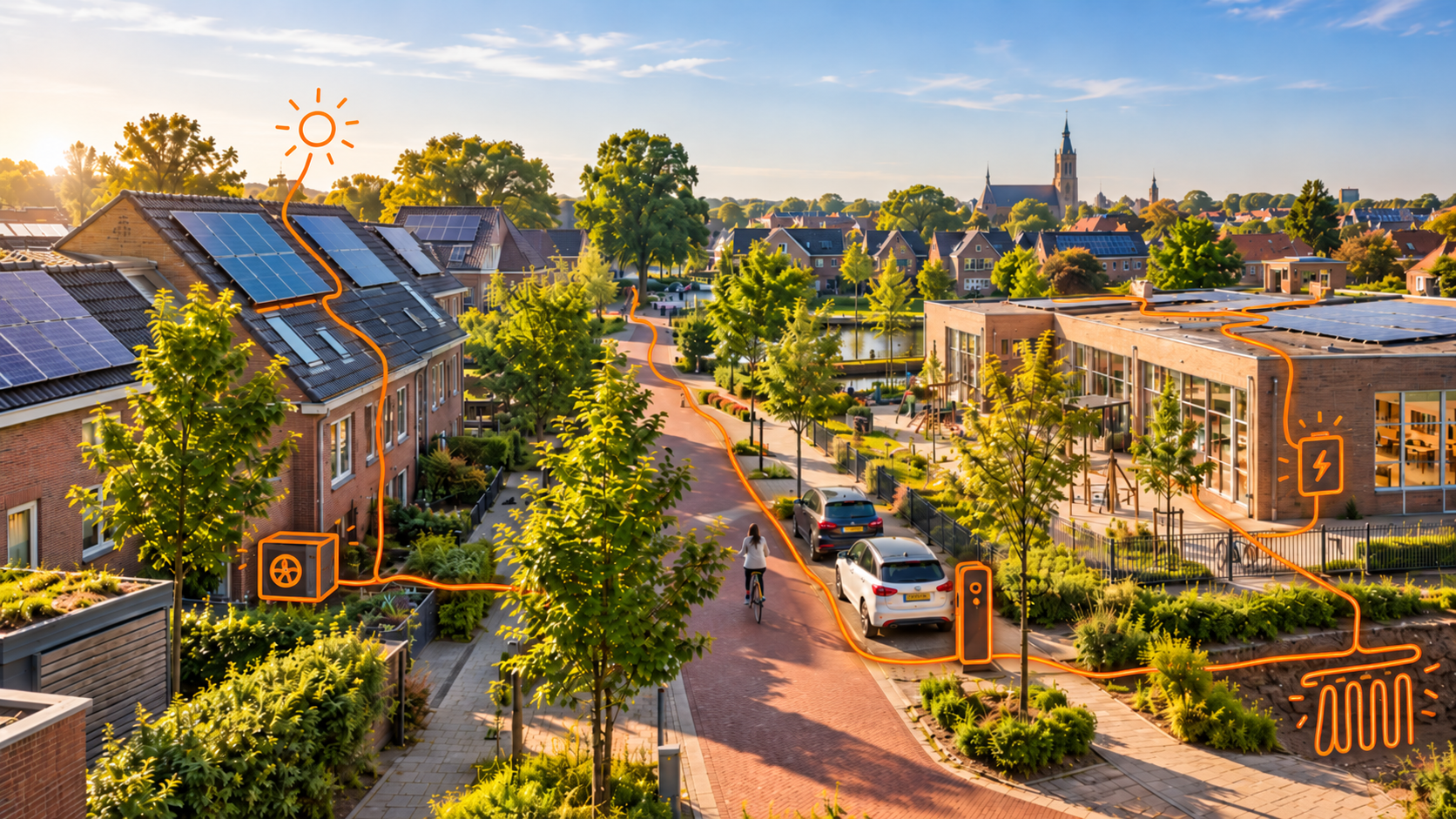
The right people to make the energy transition happen
Share this post
Challenge
A G4 municipality faced a major challenge as part of the energy transition. Hundreds of projects are needed to expand the electricity grid and prevent grid congestion. The challenge goes beyond technology and infrastructure. Municipal processes involving spatial planning, permits and decision-making also affect the pace of progress. Above all, however, there is the challenge of having enough people with the right expertise.
The central question was whether the municipality would have enough people with the right expertise over the coming years to deliver this growing workload. If not, where would the greatest bottlenecks arise, and what decisions would be needed to address them in time?
We were brought in for our in-depth expertise in strategic workforce capacity planning to provide these insights while laying the foundations for an ongoing, structured approach to capacity planning.
Approach
We started with the work ahead rather than existing staffing levels. First, we mapped out the expected workload for the coming years. We then identified the roles, expertise and staffing capacity needed to carry out the work.
Working with experts and the directorates involved, we tested and refined these estimates. By comparing future requirements with available capacity, we identified where and when potential gaps in staffing capacity and skills could emerge.
Based on these findings, we developed a capacity model that draws partly on AI and allows for different scenarios. This enables the municipality to plan ahead, model the implications of future developments and make earlier decisions about capacity and expertise. We also advised on how this approach could be developed into an established practice of strategic workforce capacity planning.
Impact
The municipality now has a clear understanding of the staffing capacity and expertise needed to address a critical challenge facing society. The model links future workloads to people and skills, highlighting where timely action is needed. The approach also goes beyond tackling electricity grid congestion. It provides a foundation for anticipating the requirements of other long-term strategic challenges and making more informed decisions about future workforce needs.
About the author


In practice, organisations often struggle to align their ambitions for employees, leadership and collaboration. The whitepaper Human Capital Ecosystem explores how to examine and strengthen both the visible and underlying dynamics within your organisation.
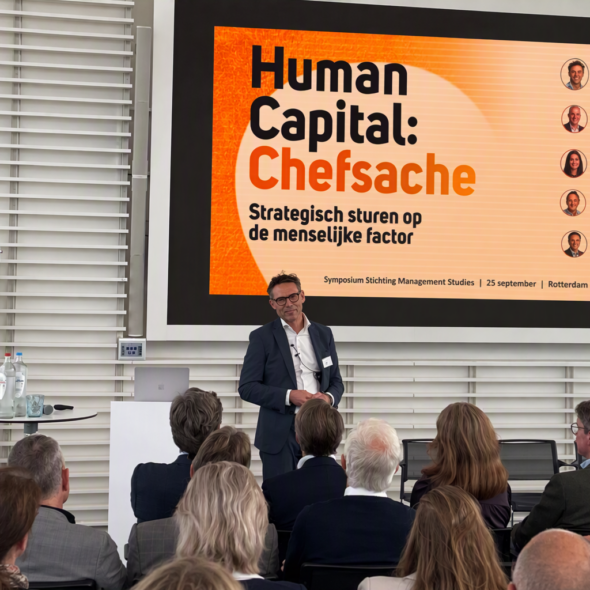
People are not resources, but assets to businesses. Human capital belongs on the boardroom agenda and is a matter for top leadership. Discover more in the book Human Capital: Chefsache!

For an organisation, we not only developed an HR strategy with broad support, but also set the HR function in motion from the outset. By combining strategy development with organisational development, we fostered ownership, a shared direction and the ability to deliver.

We established a foundation of good employment practices and mutual responsibility between employer and employees. Rigid working relationships were transformed, enabling people to enjoy their work again and collaborate effectively.