


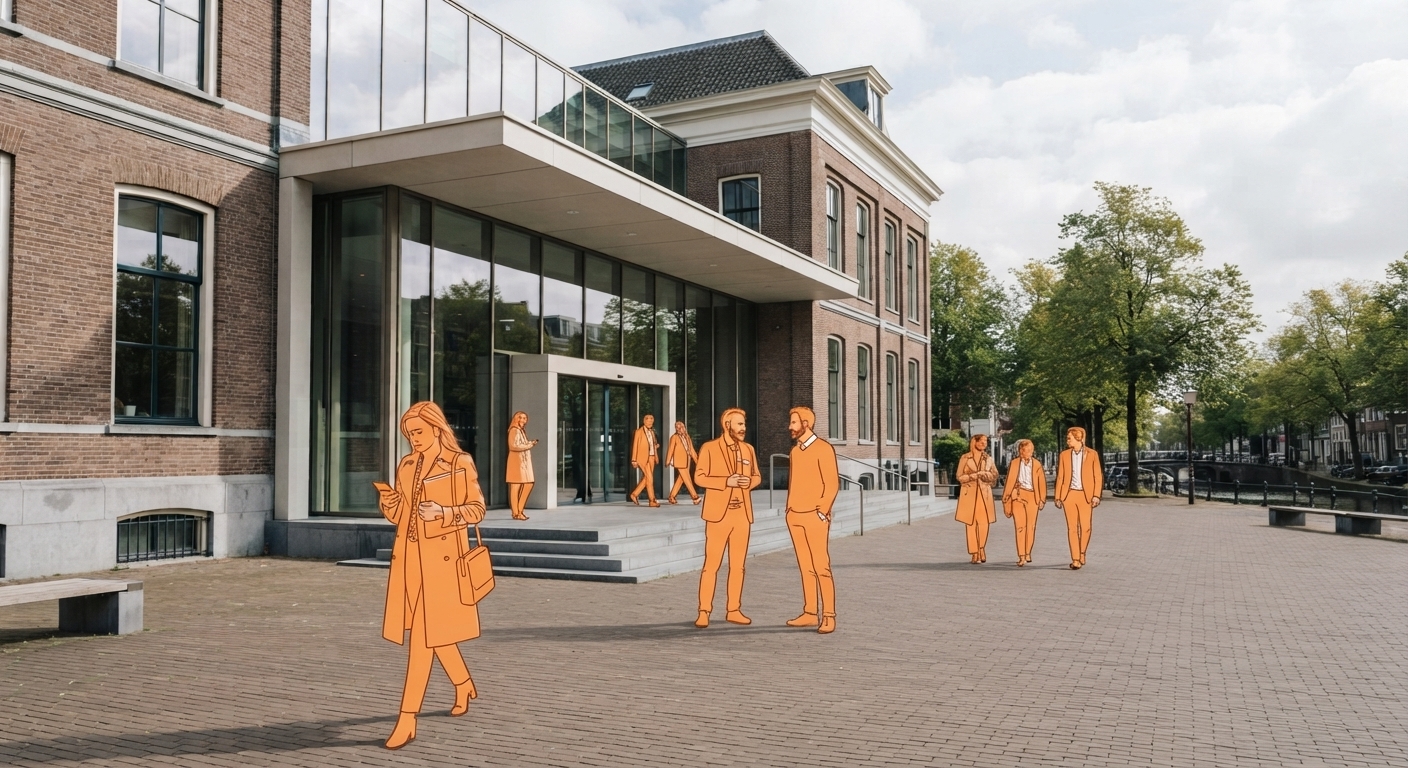
A strong start and continued growth of data-driven HR policy
Challenge
How can we improve our HR reporting and establish a strong foundation for HR Analytics, making HR policies better substantiated, more relevant, more data-driven and of higher quality?
Approach
To help the ministry further develop data-driven HR policy, Bright & Company focused its approach on three key areas:
- defining short- and long-term ambitions;
- increasing the sense of urgency and knowledge of data-driven HR policy among the target group;
- developing a concrete roadmap to achieve these ambitions.
A clear ambition was the starting point. Without a clear direction, there is a risk of spending time and resources on activities that contribute too little to organisational objectives.
During a meeting with the management team, we first identified the main challenges for the coming years. We then explored how HR could make a greater contribution to achieving organisational objectives through data-driven HR policy.
Using Bright & Company’s quick scan, we assessed the current situation in four areas: data, knowledge and skills, culture, and the organisation of processes and responsibilities. We then compared the findings with the ambitions established earlier.
Based on these insights, we developed a short- and long-term roadmap. The proposed activities focused on:
- improving critical data sources;
- optimising existing reports;
- establishing HR Analytics functionality.
The transition towards data-driven HR policy also requires a change in mindset and ways of working. Throughout the project, we therefore placed considerable emphasis on engaging and developing HR employees, including through inspirational sessions and in-depth workshops.
Other stakeholders within and outside the ministry were also involved. These included people with an interest in data-driven HR policy (such as those involved in the Strategic Workforce Planning programme) or those seeking to collaborate in this area. This resulted in a widely supported approach with a clear direction for further implementation.
Impact
An important outcome was the management team’s approval of the roadmap for data-driven HR policy. The management team recognised the importance of reliable information and supported the steps needed to improve the quality of HR policy.
Enthusiasm and willingness to put the roadmap into practice also grew among employees. In addition, broader collaboration on data-driven HR policy developed both within and outside the ministry. This established a strong foundation for the continued development of data-driven HR policy.
In practice, organisations often struggle to align their ambitions for employees, leadership and collaboration. The whitepaper Human Capital Ecosystem explores how to examine and strengthen both the visible and underlying dynamics within your organisation.
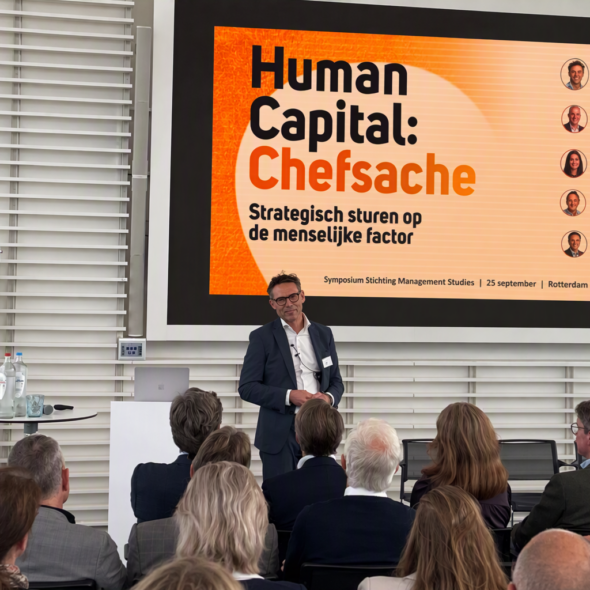
People are not resources, but assets to businesses. Human capital belongs on the boardroom agenda and is a matter for top leadership. Discover more in the book Human Capital: Chefsache!

For an organisation, we not only developed an HR strategy with broad support, but also set the HR function in motion from the outset. By combining strategy development with organisational development, we fostered ownership, a shared direction and the ability to deliver.

For one of the Netherlands' four largest municipalities (G4), we translated the projected workload involved in tackling electricity grid congestion into the staffing capacity and skills required. We also developed a scenario-based model to help the organisation plan ahead and make informed decisions.